Pest guide · Nampa, Idaho
Fleas in Nampa Homes, Ticks Along Canal Banks and Field Edges
- Reviewed by a licensed Idaho pest professional
In Nampa, fleas and ticks usually come from two different places. Fleas tend to arrive on a dog, a cat or a passing animal, then settle into the house and the damp, shady parts of the yard. Ticks wait outdoors in taller grass and brush, like the growth along irrigation laterals, Indian Creek and the farm ground that still borders parts of town.
Both feed on blood, and both can pass along disease. The right response depends on which one you have. Any treatment for a pet should go through a veterinarian.
Why fleas settle into Nampa homes and yards
Fleas are small, wingless insects. As adults they live on warm-blooded animals and leave itchy, swollen bites. The Pacific Northwest Insect Management Handbook describes them as nest parasites. Eggs drop into the host’s bedding or resting spot. The larvae that hatch there eat debris such as hair, shed skin and dried blood instead of feeding on an animal directly. The handbook also notes that fleas can carry tapeworms (PNW handbook).
The pupal stage is the one that surprises Nampa families. A pupa can stay quiet in carpet or a couch until movement and warmth signal that a host is nearby. That is why fleas sometimes appear all at once after a move into a rental or resale home that sat empty, or after a pet comes home from a long stay elsewhere.
Ticks found in Idaho and the illnesses officials watch for
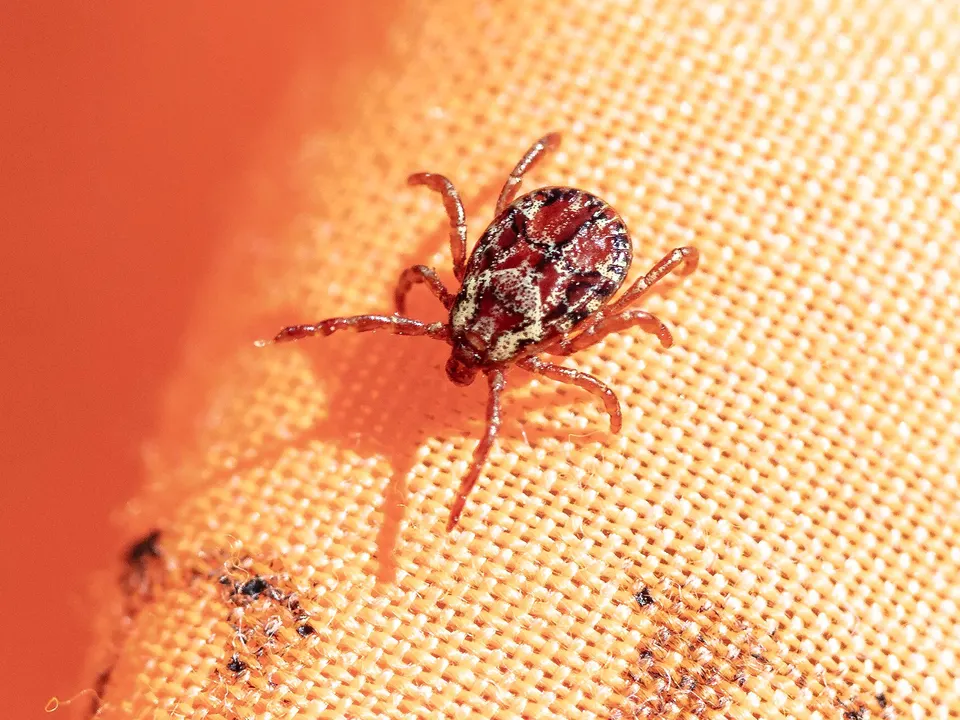
Ticks are arachnids, so they are closer kin to spiders than to insects. Most are only a fraction of an inch long before they feed. They cannot jump or fly. Instead they climb grass stems or brush, hold out their front legs and grab onto any person or animal brushing past. This habit is called questing.
Ag Proud’s overview of Idaho ticks names four species seen most often in the state: American dog tick, Rocky Mountain wood tick, western blacklegged tick and brown dog tick. Most bites happen between May and September (Ag Proud).
The Idaho Department of Health and Welfare lists Rocky Mountain spotted fever, tick-borne relapsing fever and tularemia as the tick-related illnesses of greatest concern to state health officials (DHW). The CDC adds Colorado tick fever, an uncommon viral illness found in western states and carried by the Rocky Mountain wood tick (CDC). DHW also explains that Idaho does not test ticks that residents send in for germs. If you feel sick after a bite, start with a medical provider.
Where Nampa residents are most likely to meet them
Irrigation season keeps much of Nampa green from spring into fall. Watered lawns, flower beds and the shady strip along a foundation or under a deck stay moist. That damp, protected soil suits flea larvae outdoors. Fleas can also ride in on wildlife and rodents, which turn up around farm ground, railroad right-of-way and canal banks.
Ticks are more of an outdoor, edge-of-town concern. Questing ticks use cover like the taller grass on canal and lateral banks, along Indian Creek, and on unmowed field margins toward Happy Valley Road and Greenhurst Road. Taller vegetation near open water, such as around the pond at Lakeview Park or along Lake Lowell, can offer similar cover. A short, regularly used lawn is much less likely to hold them.
None of this means ticks are in any particular spot. It only describes the kind of habitat they favor.
After a bite: what health agencies advise
The Idaho Department of Health and Welfare suggests checking yourself and your children for ticks after time outdoors. It also suggests asking a veterinarian about flea and tick prevention for pets. If symptoms develop after a tick bite, see a medical provider promptly. DHW notes that fever is common to most tick-borne illnesses, some also cause a rash, and treating early lowers the chance of complications.
Flea bites usually itch and swell, and as noted above, fleas can pass on tapeworms. Southwest District Health is the public health district for Canyon County, including Nampa. This page is general information and not medical or veterinary advice.
Signs it’s time to bring in a professional
Consider requesting a quote for fleas in these situations:
- Fleas are still biting people, or turning up on socks and pant legs, after your veterinarian has treated the pets.
- A home you just moved into suddenly has fleas.
- You are finding fleas in several rooms and in the yard, not only around one animal’s bed.
For ticks, a bite or illness is a medical or veterinary matter first. A pest professional can help when ticks keep showing up on people or pets after time in your own yard. This is most likely on lots that back onto a canal, Indian Creek or open farm ground.
What licensed flea and tick work usually involves
- Starts with questions and an inspection. The technician asks where bites or sightings happen. They check pet resting areas, carpet edges, upholstered furniture and shaded soil for eggs, larvae and pupae.
- Works alongside your veterinarian. The vet treats the pets, and the pest professional handles the house and yard. Both need to happen for flea control to hold.
- Uses products labeled for fleas indoors and in protected outdoor spots. A follow-up visit is common, since pupae keep emerging for a while after the first service.
- Looks at tick habitat on the property, such as tall grass along a lateral or fence line. The technician explains which yard conditions favor questing ticks. This does not replace a doctor’s visit after a bite.
- Is done by a licensed applicator. Idaho requires people hired to apply pesticides to hold a license through the Idaho State Department of Agriculture.
Request a free quote for fleas or ticks in Nampa
Recommended local provider
Describe what you are seeing and request a free quote. Requests are passed to a licensed local provider.
This guide recommends ProGuard Pest Control, a local, family and veteran owned company that is licensed and insured. Treatments are family and pet safe.
Your request is shared with a licensed local provider, so they can reply. This guide does not sell your information.
- Local, family and veteran owned
- Licensed and insured
- Family and pet safe
- Free quote
- Serves Nampa, Idaho
Nampa questions about fleas and ticks
Can I pick up ticks walking along a canal or Indian Creek in Nampa?
It’s possible. Ticks wait in taller grass and brush, and the banks of canals, laterals and Indian Creek often have that kind of growth. Mowed lawns and paved paths are much less likely places to meet one.
Does the irrigation season make fleas worse?
Moisture helps flea larvae survive outdoors. In summer, watered lawns and shaded soil near foundations stay damp. Most of a flea problem still develops indoors, in pet bedding, carpet and furniture.
We moved into a house with no pets, so why are there fleas?
Flea pupae left behind by a previous animal can wait in carpet or furniture until people move in. Then many adults can emerge over a short period. This happens in clean homes too.
Should I mail a tick to the state to be tested?
The Idaho Department of Health and Welfare says Idaho does not test submitted ticks for germs. If you develop a fever, rash or other symptoms after a bite, contact a medical provider.
Who should I call first, the vet or a pest company?
Call the vet for the animal. Pets need veterinary care. Once fleas are living in the house or yard, a licensed pest professional can handle the premises.
Sources
- Idaho Department of Health and Welfare, ticks and tick-borne diseases
- CDC, Colorado tick fever
- Pacific Northwest Insect Management Handbook, fleas
- Ag Proud, ticks and tick-borne diseases in Idaho
Each link points to the agency, university or publication behind the statement it supports.
More from this guide
Other pest guides for Nampa
Need help with a pest in Nampa?
Describe what you are seeing and request a free quote. Requests are passed to a licensed local provider.