Pest guide · Nampa, Idaho
Mice in Nampa Homes: Canal Banks, Farm Edges, Fall Moves Indoors and a Deer Mouse Caution
- Reviewed by a licensed Idaho pest professional
Nampa grew up around farmland, irrigation canals and a busy railroad junction, and mice still live in all of those places. Most calls about mice here involve one of two animals.
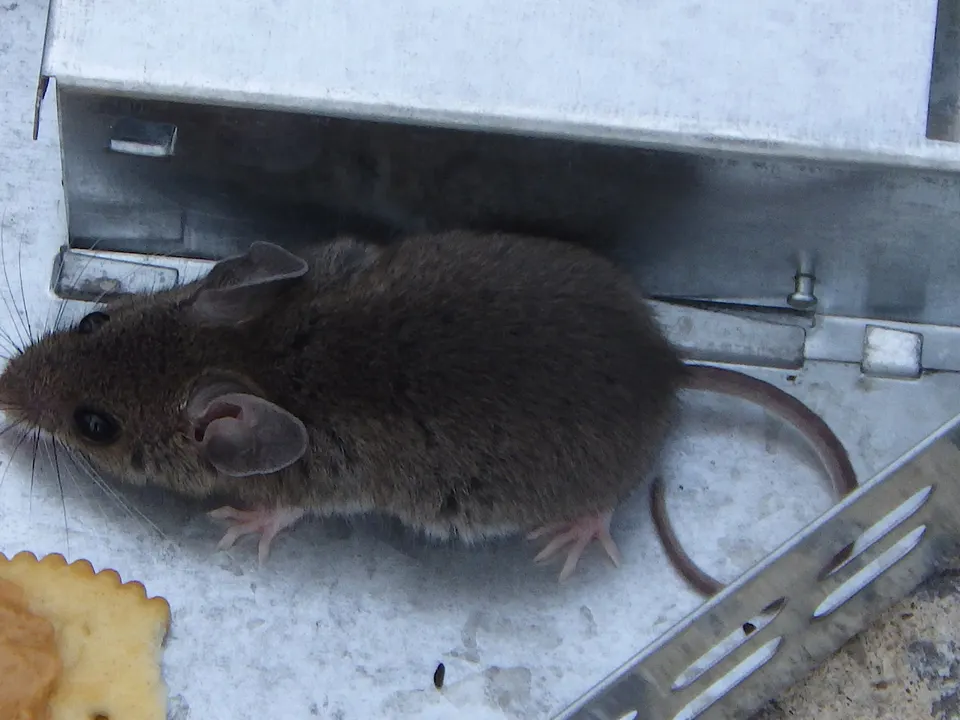
The house mouse lives closely with people. The deer mouse is a field animal that sometimes wanders indoors. It is the species health agencies link to hantavirus in Idaho. Cases in the state are uncommon, but the link is a good reason to treat nests and droppings with care.
Where Nampa mice come from
Irrigation laterals and the banks of Indian Creek hold grass, weeds and leaf litter through the growing season. That cover suits deer mice. Fields at the south and west edges of town, out toward Happy Valley Road, Greenhurst Road and Karcher Road, supply seed and shelter right next to backyards.
Fall is when many homeowners first notice them. Canal water is shut off, crops come out of the ground and nights turn cold. Mice that spent summer outdoors start looking for warm, quiet spaces. Garages, shops and crawl spaces are usually the first places they find.
Newer homes along corridors like Midland Boulevard are not immune. Utility openings, weep gaps and garage door seals can let mice in even when a house is only a few years old.
In the older blocks near the 1903 depot and along the railroad diagonal downtown, age shows up in other ways. Settled foundations, old wall cavities and many years of add-on wiring and plumbing leave hidden routes inside the walls.
Telling the two mice apart, and what they leave behind
- House mouse. A small, slender mouse that is fairly even dusty gray-brown from back to belly. Its tail is long, thin and nearly hairless. It nests inside walls, cabinets, stored boxes and insulation. It nibbles at many foods instead of finishing one, which ruins more than it eats (WSU Pestsense).
- Deer mouse. Its tan to brown back contrasts sharply with a white belly and white feet. Its eyes and ears are large, and its tail is darker on top and pale underneath. It eats seeds, insects and fruit. It usually nests outdoors in brush piles, burrows and fence rows, and moves into sheds, cabins and little-used outbuildings.
- Droppings. Small dark pellets, pointed at the ends and about the size of a rice grain. They collect along walls, in drawers and near stored food.
- Other clues. Gnawed packaging or cords, shredded paper or insulation, a musky smell, and greasy smudges along the edges where mice run (WSU Pestsense). You may also hear scratching in walls or ceilings at night.
Health and property concerns
- Hantavirus. In Idaho, deer mice carry Sin Nombre virus. An Idaho health advisory describes infections as rare and notes that the illness does not pass from one person to another (Idaho hantavirus health advisory). Rare does not mean harmless. The lung illness it causes can be severe.
- Disturbing droppings and nests. Dry sweeping or vacuuming can send dust from urine, droppings and nesting material into the air. The CDC recommends against stirring these materials up dry and publishes its own cleanup guidance (CDC). Large accumulations in a shed, attic or closed-up room are a job for a professional.
- Food and wiring. House mice contaminate pantry goods and pet food. Their chewing can damage stored items, insulation and electrical wiring (WSU Pestsense).
- Local health questions. Southwest District Health serves Canyon County, including Nampa. If you feel sick after rodent exposure, contact a medical provider and mention the contact. This guide is general information, not medical advice.
Signs it is time to bring in a professional
One mouse spotted in the garage in October can be the start of more. It is worth asking for help when you notice any of the following:
- Fresh droppings keep showing up.
- You hear activity in walls or ceilings night after night.
- Food packages or pet food have been chewed.
- Wiring or insulation shows gnaw damage.
- You find nests in a crawl space, attic or shop.
- A shed or outbuilding is heavy with droppings and nesting material, especially where deer mice may be involved.
What licensed rodent work usually includes
Idaho requires anyone hired to apply pest control products to be properly licensed. Ask any provider to explain their inspection, the treatment plan and any follow-up visits. A typical approach includes:
- Inspection inside and out. The technician confirms which mouse is present and traces how it gets in. They also look for nesting spots and the food or water that keeps mice around.
- Exclusion. Openings around pipes, wires, vents, garage doors, foundations and rooflines are closed with durable materials such as hardware cloth, metal mesh or sealant backed with steel wool.
- Trapping and bait. Traps are placed along travel routes. Any bait stays inside locked, tamper-resistant stations, set where children, pets and wildlife cannot reach it.
- Follow-up. Return visits check traps and stations and confirm that sealed openings are holding. This matters most heading into fall, when field mice push toward buildings.
Request a free quote for mice in Nampa
Recommended local provider
This guide recommends ProGuard Pest Control as a licensed local provider. ProGuard is local, family and veteran owned, and its treatments are family and pet safe.
Describe what you are seeing and request a free quote. Requests are passed to a licensed local provider.
Your request is shared with a licensed local provider, so they can reply. This guide does not sell your information.
- Local, family and veteran owned
- Licensed and insured
- Family and pet safe
- Free quote
- Serves Nampa, Idaho
Nampa mouse questions
Why do I notice more mice once the canal water is turned off?
Shutoff happens in fall, around the same time as harvest and the first cold nights. Mice that lived along laterals and field edges all summer lose cover and food at once, so many of them head for the nearest warm building.
My yard backs onto a lateral or Indian Creek. Does that mean I will get mice?
Not necessarily. Living near water and weedy banks means mice are nearby, but whether they get inside depends mostly on the openings in your house, garage and sheds. A professional inspection can show where those openings are.
Is a mouse problem in an older downtown building different?
It often is. Older walls, foundations and layers of past repairs can hide many small routes, so finding and sealing them usually takes more time than in a newer home.
I found droppings in my shop. What should I avoid?
Do not sweep or vacuum them dry, because that can put dust into the air. The CDC publishes cleanup guidance. For anything more than a few pellets, or where deer mice may be involved, have a professional handle it.
Will bait put my dog or cat at risk?
Licensed providers keep bait inside locked, tamper-resistant stations placed out of pets’ and children’s reach. Tell the technician about your animals so they can plan placement around them.
Sources
- Washington State University Pestsense, mice and rats
- Idaho health advisory on hantavirus testing (Central District Health)
- CDC, cleaning up after rodents
- National Weather Service, Local Climate of the Treasure Valley
- City of Nampa, History of Nampa
Each link points to the agency, university or city page that supports the information above.
More from this guide
Other household pests seen in Nampa
Need help with a pest in Nampa?
Describe what you are seeing and request a free quote. Requests are passed to a licensed local provider.